
Cash-on-Cash Return Explained: The Metric Every Real Estate Investor Needs
When people find out I invest in commercial real estate across the Midwest, they usually ask me the same question: “How do I know if a property is actually a good deal?”
Most novice investors get distracted by flashy numbers. They look at total purchase price, projected appreciation, or raw gross rent. But none of those numbers tell you how hard your out-of-pocket dollars are actually working for you today.
If you want a direct, fluff-free way to measure performance, you need to understand Cash-on-Cash (CoC) Return.
Whether you are looking at your first residential duplex or evaluating a commercial strip center, Cash-on-Cash return is the fundamental benchmark every investor needs. Let’s break down what it is, how to calculate it, and how to use it to make smarter investment decisions.
What Is Cash-on-Cash Return?
Cash-on-Cash return measures the annual net cash income generated by a property relative to the total amount of cash spent to purchase and stabilize it.
Expressed as a percentage, it answers a simple question: For every dollar of actual cash I pulled out of my bank account to buy this asset, how many cents of net profit am I receiving back each year?
Unlike metrics that factor in future property appreciation or loan principal paydown, Cash-on-Cash return focuses strictly on liquid cash flow. It measures current, real-time performance.
Why Cash-on-Cash Return Matters
When evaluating real estate against other asset classes—like stocks, index funds, or high-yield savings accounts—you need a level playing field.
                                  Annual Net Pre-Tax Cash Flow
Cash-on-Cash Return Percentage = ─────────────────────────────── × 100
                                       Total Out-of-Pocket Cash
Here is why this metric is crucial for regular, middle-income investors:
-
It Accounts for Leverage: Mortgages change everything. Two investors can buy identical $300,000 properties, but if one pays all cash and the other puts 20% down, their actual return on capital invested will be vastly different.
-
It Prevents Overhead Surprises: By calculating true net cash flow—after mortgage payments, taxes, insurance, and maintenance—you avoid buying “profitable” properties that secretly drain your bank account every month.
-
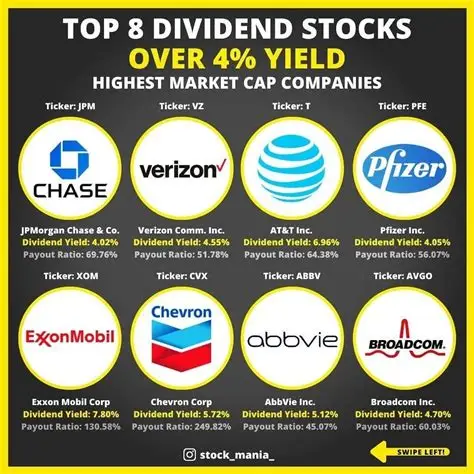
It Allows Apple-to-Apple Comparisons: You can directly compare a real estate deal yielding 8% Cash-on-Cash against a stock dividend yield or a 4.5% high-yield savings account.
The Formula for Cash-on-Cash Return
Calculating Cash-on-Cash return involves two numbers:
-
Annual Pre-Tax Cash Flow: Total income minus all operational expenses and debt service.
-
Total Initial Cash Invested: The actual cash out of your pocket required to close and secure the property.
Step-by-Step Calculation Breakdown
Let me walk you through a realistic example of buying a single-family rental or small multi-family unit.
Step 1: Calculate Total Initial Cash Invested
Suppose you purchase a residential property for $250,000.
-
20% Down Payment: $50,000
-
Closing Costs (Lender fees, title, escrow): $6,000
-
Initial Repairs/Upgrades: $4,000
-
Total Out-of-Pocket Cash Invested: $60,000
Step 2: Calculate Annual Net Operating Income (NOI)
Now, look at the property’s annual operating performance over 12 months:
-
Gross Rental Income: $2,200/month = $26,400/year
-
Vacancy Rate Allowance (5%): -$1,320
-
Effective Gross Income: $25,080
Next, deduct annual operating expenses:
-
Property Taxes: $3,600
-
Property Insurance: $1,200
-
Property Management (8%): $2,006
-
Maintenance & CapEx Reserves: $2,400
-
Total Operating Expenses: $9,206
Now subtract operating expenses from effective gross income to find Net Operating Income:
Step 3: Deduct Debt Service to Find Annual Cash Flow
Assuming your principal and interest mortgage payment is $1,050/month ($12,600/year):
Step 4: Calculate Cash-on-Cash Return
Now divide annual cash flow by total initial cash invested:
Your $60,000 cash investment yields a 5.46% net cash return in year one.
Cash-on-Cash Return vs. Other Key Metrics
To use Cash-on-Cash return correctly, you must understand how it differs from other common real estate metrics.
| Metric | Focus | Takes Financing into Account? | Key Use Case |
| Cash-on-Cash Return | Annual liquid cash yield on actual capital invested | Yes | Evaluating out-of-pocket profitability on day one. |
| Cap Rate (Capitalization Rate) | Unlevered property return (NOI / Purchase Price) | No | Comparing intrinsic value and market yield of properties regardless of loans. |
| ROI (Return on Investment) | Total return including appreciation, principal paydown, and cash flow | Yes | Measuring total long-term wealth building upon sale. |
| IRR (Internal Rate of Return) | Annualized return accounting for time value of money over multi-year hold | Yes | Comprehensive analysis for complex, multi-year commercial deals. |
What Is a “Good” Cash-on-Cash Return?
There is no single magic number, as target returns vary depending on location, market conditions, and personal risk tolerance. However, general benchmarks across target asset classes include:
-
4% to 6%: Common in high-growth, primary coastal markets (e.g., California, New York) where investors sacrifice short-term cash flow for long-term equity appreciation.
-
7% to 10%: A standard target range for stable, cash-flowing Midwest residential and small commercial assets.
-
10%+: Typically found in higher-risk markets, value-add commercial opportunities, or distressed properties requiring heavy management.
4 Common Mistakes Investors Make with Cash-on-Cash Return
Over my years managing commercial and residential assets, I have seen new investors lose money by making these critical miscalculations:
1. Underestimating Maintenance and CapEx
Replacing a roof, HVAC unit, or parking lot surface will wipe out years of cash flow if you do not budget ongoing reserves into your operating expenses.
2. Ignoring Vacancy Rates
Assuming a property will stay 100% occupied 365 days a year is unrealistic. Always factor in a minimum 5% to 8% vacancy loss.
3. Confusing Cap Rate with Cash-on-Cash
A property with an 8% Cap Rate can yield a 4% or 12% Cash-on-Cash return depending entirely on your loan terms, interest rates, and down payment size.
4. Over-Relying on Future Appreciation
Speculating on appreciation is gambling. Cash flow is reality. Ensure the property cash-flows positively on day one based on current market rents.
The Verdict
Cash-on-Cash return cuts through marketing noise and reveals the immediate earning power of your capital. For regular middle-income investors working with finite savings, keeping a disciplined focus on cash yield is the surest way to build sustainable, long-term wealth.
Before putting down earnest money on your next potential deal, run the numbers, factor in realistic expenses, and make sure your cash-on-cash return meets your financial goals.
Keep reading: What Is NOI in Real Estate? Net Operating Income Explained Simply, What Is a Cap Rate? A Beginner’s Guide to Real Estate Math, and How to Analyze a Rental Property in 10 Minutes.