
NNN Lease Explained: What Regular Investors Need to Know
If you’ve ever driven past a CVS, a Culver’s, or an AutoZone and thought, “I wonder who owns that building,” the answer might surprise you. It’s often not a giant corporation or a Wall Street fund. Sometimes it’s a regular person -a dentist, a retired engineer, a small business owner- collecting a check every month while the tenant handles nearly everything else.
That’s the promise of a NNN lease. And like most things in commercial real estate, it’s worth understanding before you believe the hype. This topic is near and dear to me as I own a fair amount of it, all bought after being 100% in multifamily for years.
What Does NNN Actually Mean?
NNN stands for “triple net.” The three N’s refer to three categories of expenses that the tenant — not the landlord — agrees to pay:
1. Property taxes. The tenant pays the real estate taxes directly to the local government, or reimburses the landlord for them.
2. Building insurance. The tenant covers the property and liability insurance premiums.
3. Maintenance and repairs. The tenant handles upkeep — everything from landscaping to roof repairs, depending on the lease terms.
In a standard residential rental, the landlord eats all of these costs. In a NNN lease, the tenant does. That’s the fundamental trade-off: the tenant accepts more financial responsibility in exchange for stability — they control the property, can make improvements, and aren’t at risk of a landlord selling or raising rent unpredictably. The landlord, in exchange, accepts a lower base rent than they might otherwise command, but in return gets an extremely predictable, low-management income stream.
Think of it like the difference between owning a vending machine and running a restaurant. The vending machine doesn’t need you to show up. The restaurant does.
Why Do Investors Like NNN Properties?
The appeal is straightforward: passive income with minimal landlord headaches.
When the structure works well, you collect rent and the tenant worries about the leaky roof, the snow plowing contract, and the property tax bill. For investors who’ve dealt with residential rentals — midnight calls about broken furnaces, tenants who don’t pay, maintenance that never ends — NNN sounds like a dream.
There are a few other things that attract investors:
Long lease terms. Most NNN leases run 10 to 25 years, often with renewal options. You’re not re-leasing every year. Tenant turnover is rare. That predictability is worth a lot, especially in retirement planning.
Creditworthy tenants. The best NNN deals involve investment-grade tenants — national chains like Dollar General, Walgreens, Starbucks, or FedEx. These companies have strong balance sheets and rarely go dark on a location. When they sign a 15-year lease, they mean it.
Rent escalations baked in. Many NNN leases include annual rent increases — often 1% to 2% per year, or bumps tied to the Consumer Price Index. Not exciting, but predictable.
Financing is available. Lenders like NNN properties because the income is stable and the tenants are creditworthy. That means investors can often get favorable financing, which improves returns on equity.
The Risks Nobody Leads With
Here’s where I’m going to be straight with you, because this is where a lot of finance content goes soft.
NNN doesn’t mean “no risk.” It means “different risk.”
Risk #1: Tenant failure. That 15-year lease from a regional fast-food chain is only as good as the chain’s ability to stay in business. When a tenant goes bankrupt or closes locations, they can reject leases in bankruptcy court. Your “guaranteed income” stops. Now you have a building designed for a specific use, possibly in a suburban strip center, and you need to find a new tenant. That can take years.
Risk #2: Absolute NNN vs. Modified NNN. Not all NNN leases are equal. Some shift all costs to the tenant — these are sometimes called “absolute NNN” or “bondable leases.” Others are modified — the landlord is still responsible for the roof, the structure, or HVAC systems. Read the lease carefully. The word “NNN” on a marketing flyer doesn’t tell you what’s actually in the document.
Risk #3: Rent that doesn’t keep up with reality. A 1% annual escalation sounds fine until inflation runs at 4%. Over a 20-year lease, your purchasing power erodes. The rent that seemed great at signing looks modest by year 15.
Risk #4: Single-tenant concentration. When your entire income stream comes from one tenant, you have zero diversification at the property level. A residential apartment building with 10 units still generates 90% of its rent if one tenant leaves. A NNN property with one tenant generates exactly zero if that tenant leaves.
Risk #5: Location obsolescence. That Blockbuster NNN lease looked rock-solid in 2004. Retail location risk is real. A tenant can have a thriving business nationally but close underperforming locations — including yours.
How Do You Actually Invest in NNN Properties?
This is where middle-income investors need to get realistic about their options.
Direct ownership is what most NNN marketing content assumes. You buy a freestanding building leased to a fast-food chain or pharmacy. Minimum investment? Typically $1 million to $5 million or more for a decent asset in a decent market. You’ll need 25% to 35% down plus closing costs. This is not a starter investment.
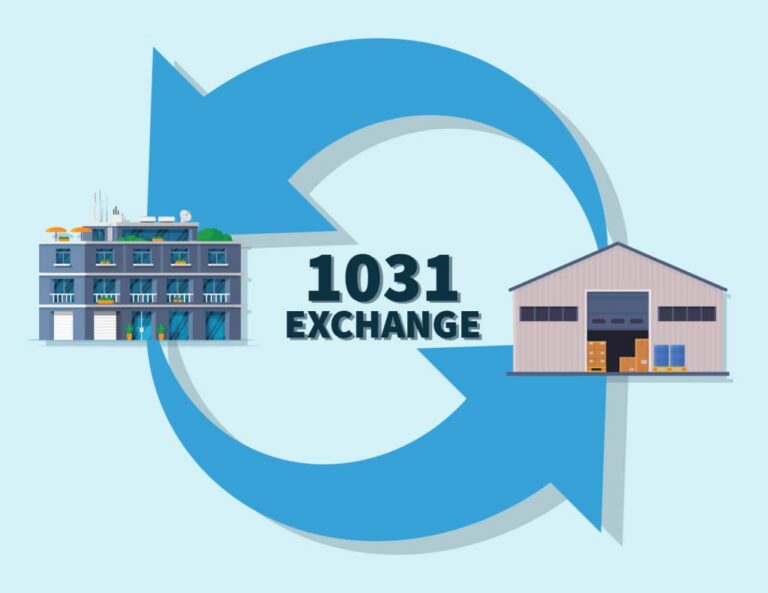
1031 exchanges. Many NNN buyers are investors who sold another property and are rolling capital into something passive. If you have significant real estate equity and are tired of active management, NNN can make sense as a destination for exchange funds.
DSTs (Delaware Statutory Trusts). This is where NNN becomes accessible to more regular investors. A DST is a fractional ownership structure that lets multiple investors pool capital into a large NNN property — sometimes a portfolio of them. Minimum investments often start around $25,000 to $100,000. The catch: these are illiquid, often locked up for 5 to 10 years, and sold through broker-dealers who earn commissions. Understand the fee structure before you commit.
NNN REITs. The most accessible option for most people. Real estate investment trusts focused on net-lease properties — companies like Realty Income (ticker: O), NNN REIT (ticker: NNN), and VICI Properties — own thousands of NNN-leased assets and distribute income as dividends. You can buy shares through any brokerage account. Liquidity is high. Minimums are whatever a single share costs. The trade-off: you give up control, and you’re exposed to stock market volatility even when the underlying real estate is performing fine.
How Are NNN Properties Valued?
Commercial real estate investors use a metric called the cap rate — short for capitalization rate.
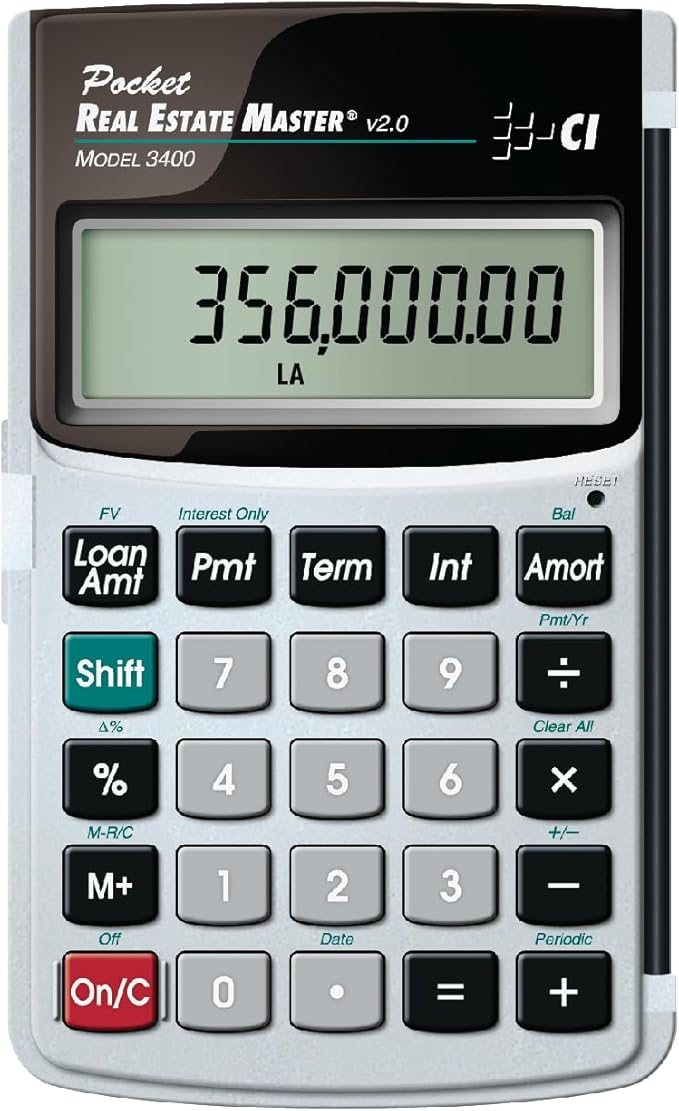
The formula: Cap Rate = Net Operating Income ÷ Purchase Price
For NNN properties, “net operating income” is essentially the rent, since the tenant covers expenses. If a building leases for $100,000 per year and you can buy it for $1,500,000, the cap rate is 6.67%.
Lower cap rates mean higher prices relative to income — and they reflect higher perceived safety (better tenant, better location, longer lease). An absolute NNN lease with Dollar General in a growing suburb might trade at a 5% cap. A modified NNN lease with a regional tenant in a slower market might be at 7% or 8%.
As of this writing, NNN cap rates have moved meaningfully higher from the historic lows of the pandemic era, as rising interest rates have reset valuations. That’s actually made NNN more attractive on a relative basis than it was in 2021 and 2022, when buyers were accepting sub-5% cap rates that barely cleared borrowing costs.
Is a NNN Lease Right for You?
Be honest with yourself about the following:
Can you afford to lock up capital for 10+ years? NNN is not a liquid investment. Direct ownership especially.
Do you understand the specific tenant and industry? The quality of the lease is inseparable from the quality of the tenant.
Have you actually read the lease? If you’re buying a property and haven’t read the lease document yourself — not just a summary — you don’t know what you own.
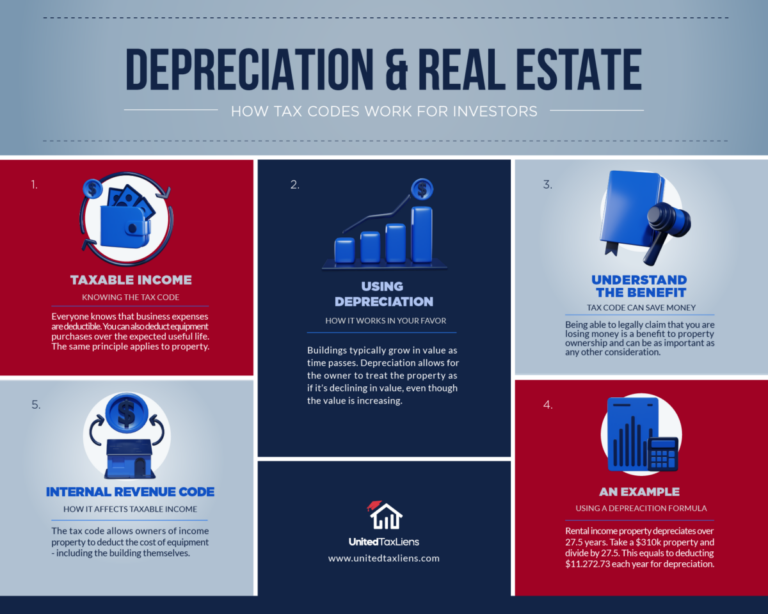
Are you comparing after-tax returns fairly? NNN income is real estate income, which comes with depreciation deductions that can shelter a meaningful portion of the cash flow from tax, especially for investors who qualify as real estate professionals under IRS rules. This is a real advantage over dividend income from a REIT, which is taxed differently. Talk to a CPA before comparing yield numbers on the surface.
Are you solving a real problem? For investors approaching retirement who want passive income without management headaches, NNN can be an excellent fit. For younger investors still building wealth, the illiquidity and high minimums of direct NNN ownership often make other strategies a better use of capital.
The Bottom Line
A NNN lease is a real tool — not a gimmick. It transfers expense and management responsibility from landlord to tenant in exchange for a lower but highly predictable rent. The best NNN deals feature creditworthy tenants, long lease terms, rent escalations, and locations with durable demand.
But the marketing around NNN investing tends to oversell the passive nature and undersell the risks. Tenant failure, lease structure nuance, and location obsolescence are all real. The investment is only as good as the tenant, the lease document, and the location — and those things require real diligence.
If you want NNN exposure without the complexity of direct ownership, a net-lease REIT is a perfectly reasonable starting point. If you’re considering a direct acquisition or DST investment, get a commercial real estate attorney involved before you sign anything.
The check in the mailbox every month is real. So is the work it takes to make sure it keeps coming.
Mark Caldwell is a Midwest-based commercial real estate investor and the founder of PlainMoneyAdvice.com. He writes about money and real estate for regular people — no credentials required to understand it.
Keep reading: Commercial Real Estate Investing for Beginners: How It Actually Works, What Is a Cap Rate? A Beginner’s Guide to Real Estate Math, and 1031 Exchange Guide: How to Defer Capital Gains Taxes on Real Estate.