Pay Yourself on Payday: The Autopay Habit That Beats Willpower
Here is the one I tell everybody: pay yourself on payday. Not at the end of the month. On payday.
I have watched the other plan fail for years. You pay the bills, you spend through the month, and whatever is left becomes the savings. And whatever is left is nothing. Every single time. I get emails from readers making perfectly good money, asking where it all goes, and the answer is always the same boring answer. It goes to the drift. Money that nobody claims on payday gets claimed by everything else by the 28th. That is not a character flaw. That is just what money does when you leave it sitting there unclaimed.
Paying Yourself Last Never Works
Think about how backwards the standard advice is. Save what is left over. Well, what is left over? Nothing, that is what. Spending expands to fill whatever balance is sitting in the account. I have never met the person who has money left over at month end by accident.
You would never run a business this way. I own real estate, retail centers and apartment buildings, and I can tell you nobody in that world says “let us see what is left at year end and call that the profit.” You take your margin first and you operate the property on what is left. Your household works the same way. The people I know who never carry card debt are not the disciplined ones. They are the ones who decided once, set up the autopay, and never had to decide again.
How I Tell People to Set It Up
It takes maybe an hour on a Saturday. Then you forget about it.
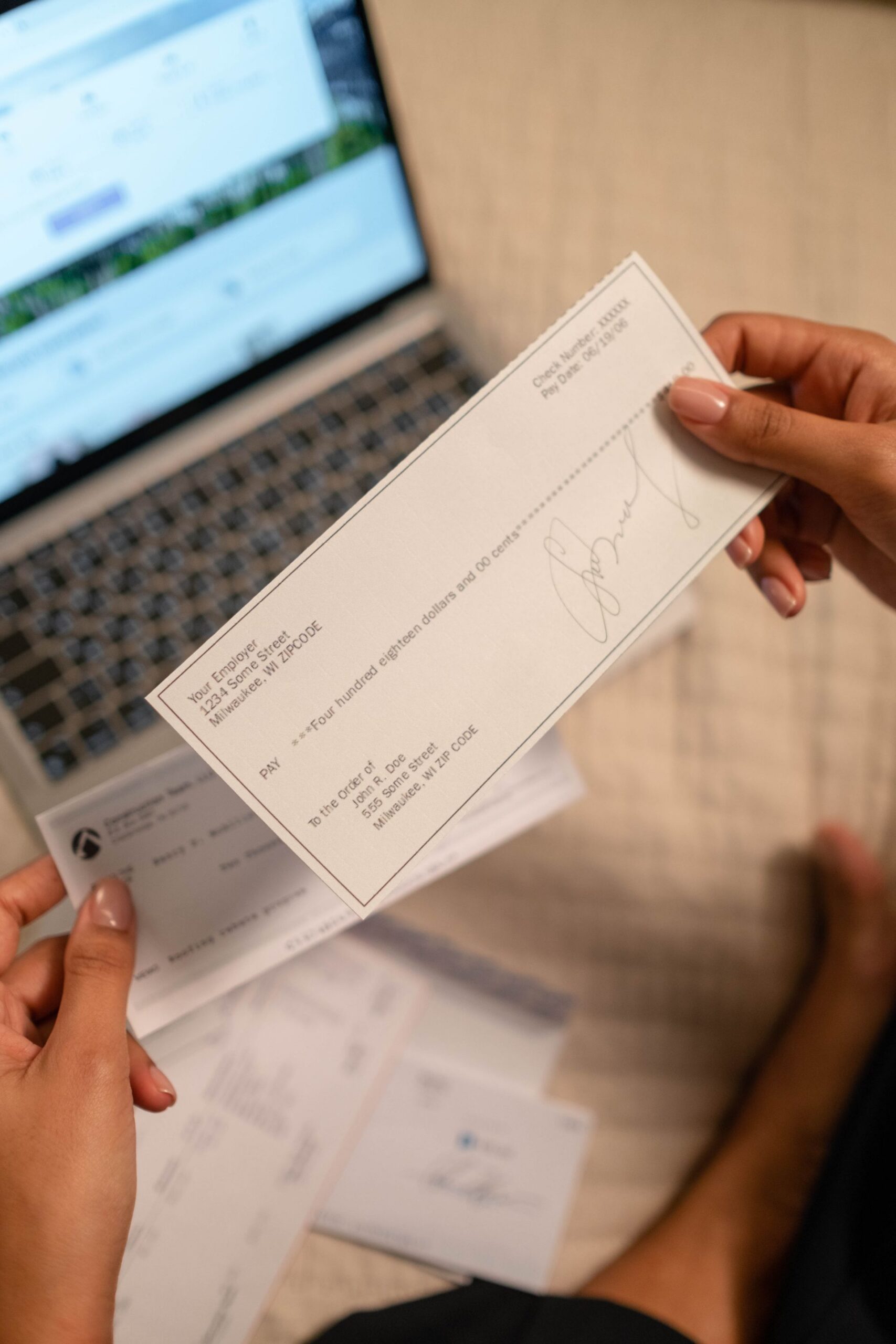
The savings transfer goes first, and it goes the morning after payday. Your check lands on the 15th, the transfer leaves on the 16th. Out of checking, into savings or the investment account, automatically. A hundred bucks to start is fine. The amount is not the point yet. The point is the money moves before you ever see it as spendable.
Then you move your bill due dates. Almost every biller lets you pick the date now, so you put them two or three days after payday. Credit cards, utilities, the car loan, all of it. Two things happen. One, you never stare at a full checking account and do the mental math twice, spending money that is already spoken for. Two, a slow direct deposit never trips you into an overdraft.
Debt payments ride the same train. If you are carrying a card balance, the extra payment goes on autopay the same week. Here is why the date matters so much: interest does not care about your intentions. It cares about dates. Paying on the 16th like clockwork instead of “when I get around to it” is genuinely the difference between carrying that balance for two years and killing it in under a year.
And then you live on what is left. That is the whole thing. Money comes in, the important stuff leaves quietly, and you spend the rest without guilt and without a spreadsheet open on your phone at the grocery store.
But My Income Is Not Steady
Fair objection, and I hear it a lot from freelancers and commission people. Rigid autopay on a swinging income sounds like an overdraft machine. It is not, if you automate the baseline instead of the good months.
Work out your survival number. Housing, food, minimum payments, the savings target. That is the number the autopay system runs on. Good month? The extra sits in a holding account and you do not touch it. Bad month? The holding account covers the baseline. Your habits stay exactly the same whether revenue is up or down, because the system was built for your worst realistic month, not your best.
Most people get this wrong by automating the lifestyle. They automate the number they wish they made. Automate the floor and let the ceiling take care of itself.
The Takeaway
Stop trying to be more disciplined. It has never worked as a strategy, for you or for anybody. The people who win with money are not stronger than you. They just designed a system where strength does not matter.
Pay yourself on payday. Savings transfer the morning after the check lands. Bills lined up right behind it. Spend what is left and stop thinking about it. Take care of the machinery and the machinery takes care of your wealth.
Mark Caldwell