Personal Loan vs. Credit Card: Which Should You Use to Pay Off Debt?
If you’re carrying credit card debt and wondering whether a personal loan is the smarter move, you’re asking the right question — most people don’t ask it at all. They just keep making minimum payments and watching the balance barely move. So let’s cut through the noise and look at this the way you’d evaluate any financial decision: what does it actually cost, and what does it actually fix.
Short answer: for most people carrying high-interest credit card debt, a personal loan is the better tool. But “most people” isn’t you, and there are real situations where a personal loan makes things worse, not better. Here’s how to tell the difference.
The Core Difference: Revolving Debt vs. Installment Debt
Credit cards are revolving debt. There’s no end date. You can carry a balance forever, and the credit card company is fine with that — actually, they prefer it. The minimum payment is designed to keep you paying mostly interest for as long as possible.
A personal loan is installment debt. You borrow a fixed amount, you get a fixed rate, and you make the same payment every month until it’s paid off on a fixed schedule — typically 2 to 7 years. There’s no ambiguity about when the debt ends.
That structural difference is the whole reason debt consolidation with a personal loan works for so many people: it forces an end date onto debt that otherwise has none.
The Interest Rate Math That Actually Matters
This is where the decision gets made. As of 2026, the average credit card interest rate sits in the low-to-mid 20% range, and if you’ve missed payments or run up multiple cards, you could be paying north of that. Personal loan rates for borrowers with good credit typically run somewhere between 8% and 16%, though your actual rate depends heavily on your credit score, income, and the lender.
Run the numbers on a real example. Say you owe $15,000 across three credit cards at an average 24% APR, and you’re paying $400 a month.
- Staying on credit cards at 24% APR, $400/month: It takes roughly 51 months to pay off, and you pay about $5,300 in interest.
- Personal loan at 12% APR, 5-year term, same $15,000: Your payment is about $334/month, you’re done in 60 months, and total interest is around $5,020.
The personal loan wins on interest cost even at a longer nominal term, and if you kept paying $400/month on the loan instead of the minimum $334, you’d be debt-free in about 43 months and pay roughly $3,540 in interest — over $1,700 less than the credit card path, and eight months faster.
The gap gets much bigger the higher your card APR is and the longer you’d otherwise drag the balance out. If you’re currently only making minimum payments on high-interest cards, the difference between “revolving forever” and “fixed 4-year payoff” isn’t a marginal improvement — it’s the difference between solving the problem and not solving it.
When a Personal Loan Is the Right Move
You have decent credit (typically 670+). Personal loan rates are risk-based. If your score isn’t in reasonable shape, you may not qualify for a rate meaningfully better than your cards, which defeats the purpose.
You have multiple cards with different due dates and balances. Juggling five minimum payments a month is how people miss payments and rack up late fees. One loan, one payment date, one number to track — that alone reduces the odds of a slip-up.
You want a forced payoff date. If you know yourself well enough to know that “pay it off eventually” means “carry it for six more years,” the fixed term of a personal loan does the discipline for you. You don’t have to trust your future self to make extra payments — the schedule already assumes them.
Your card APRs are meaningfully higher than what you’d qualify for on a loan. This is the actual test. Not “personal loans are generally better” — check your real card APR against a real personal loan quote and see if the gap is worth it. A 3–4 point spread might not justify the hassle. A 10+ point spread almost always does.
When a Personal Loan Is the Wrong Move
You haven’t fixed the spending problem. This is the big one, and it’s where debt consolidation loans go to die. If you consolidate $15,000 of card debt into a personal loan and then run the cards back up because they’re now sitting at zero, you’ve turned one debt problem into two. You now owe the loan and new card balances. I’ve watched people do this — it’s the single most common way a personal loan makes things worse.
Your credit isn’t good enough to get a real rate improvement. If you’re only qualifying for 22% on a personal loan against 24% on your cards, you’re not solving anything — you’re just paying an origination fee for the privilege of moving the same problem to a different account.
A 0% balance transfer card is realistically available to you. If you can qualify for a card with a 0% intro APR for 15–21 months and you can pay off the balance in that window, that beats a personal loan outright — you pay zero interest instead of 8–16%. The catch: you need the discipline to actually pay it off before the promo rate expires, and you need to watch the balance transfer fee (usually 3–5%), which still needs to be cheaper than the interest you’d otherwise pay.
The balance is small enough that the math doesn’t matter. If you owe $1,500 and can pay it off in four months either way, don’t overthink it. The loan application, origination fee, and hard credit inquiry aren’t worth it for a debt you’re about to eliminate anyway.
Watch the Fees — They Change the Math
Lenders don’t always lead with this, so check it yourself: personal loans often carry an origination fee of 1% to 8% of the loan amount, deducted up front or rolled into the balance. A $15,000 loan with a 5% origination fee only nets you $14,250 — meaning you either come up short covering your card balances or you’re financing the fee itself. Always compare the APR, not the interest rate, since APR is required by law to include origination fees and gives you the real cost of borrowing. And read the fine print for prepayment penalties — they’re less common now than they used to be, but they still exist, and they punish you for doing the smart thing and paying the loan off early.
The Question Neither Option Answers
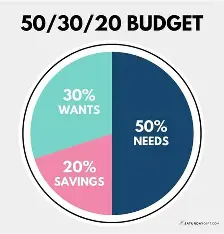
Both a personal loan and a credit card are tools for managing debt you already have. Neither one addresses why the debt exists. If your spending consistently outpaces your income, consolidating the debt buys you breathing room and better terms — it does not buy you a fixed budget. Before you sign for a personal loan, it’s worth being honest with yourself about whether the underlying cash flow problem is solved. If it isn’t, run a real budget first (the 50/30/20 rule is a decent starting framework), because a lower interest rate on a debt that keeps growing is just a slower way to lose.
Bottom Line
If you have decent credit, your card APRs are well above what you’d pay on a personal loan, and you’re not going to run the cards back up the second they’re paid off — take the personal loan. The math almost always favors a fixed-rate, fixed-term payoff over open-ended revolving debt at a higher rate.
If your credit isn’t strong enough to get a real rate improvement, if you can qualify for a 0% balance transfer card and pay it off in time, or if you haven’t actually fixed the spending pattern that got you into debt in the first place — hold off. A personal loan isn’t a fix. It’s a tool. Use it only when the numbers say it’ll leave you better off than doing nothing, and only after you’ve made sure you won’t need it twice.
Mark Caldwell writes about debt payoff, real estate, and personal finance for Midwest households at PlainMoneyAdvice.com. He is not a licensed financial advisor; this article is for informational purposes and does not constitute personalized financial advice.
Keep reading: Is Debt Consolidation Worth It? A Realistic Look at the Numbers, How to Pay Off Debt Faster: The Avalanche vs. Snowball Method Explained, and Credit Card Debt Payoff Calculator: What Nobody Tells You About Minimums.